Tripo H3.1, P2 and the Tripo models
Tripo, made by VAST, has two 3D model lines: H for dense geometry and P for low-poly production assets. We ran H3.1 and P2 once on the same photo-based dripper and two text prompts. H3.1 returned about 1.4 million triangles per mesh; P2 returned about 5,000, both with PBR materials. Choose by mesh budget and editing needs, rather than treating the higher-priced P2 API as a higher-detail H3.1. Maker sources: https://developers.tripo3d.ai/en/docs/models-and-versions and https://developers.tripo3d.ai/en/pricing, read November 17, 2026.
Tripo (VAST) · facts checked
Which one to pick
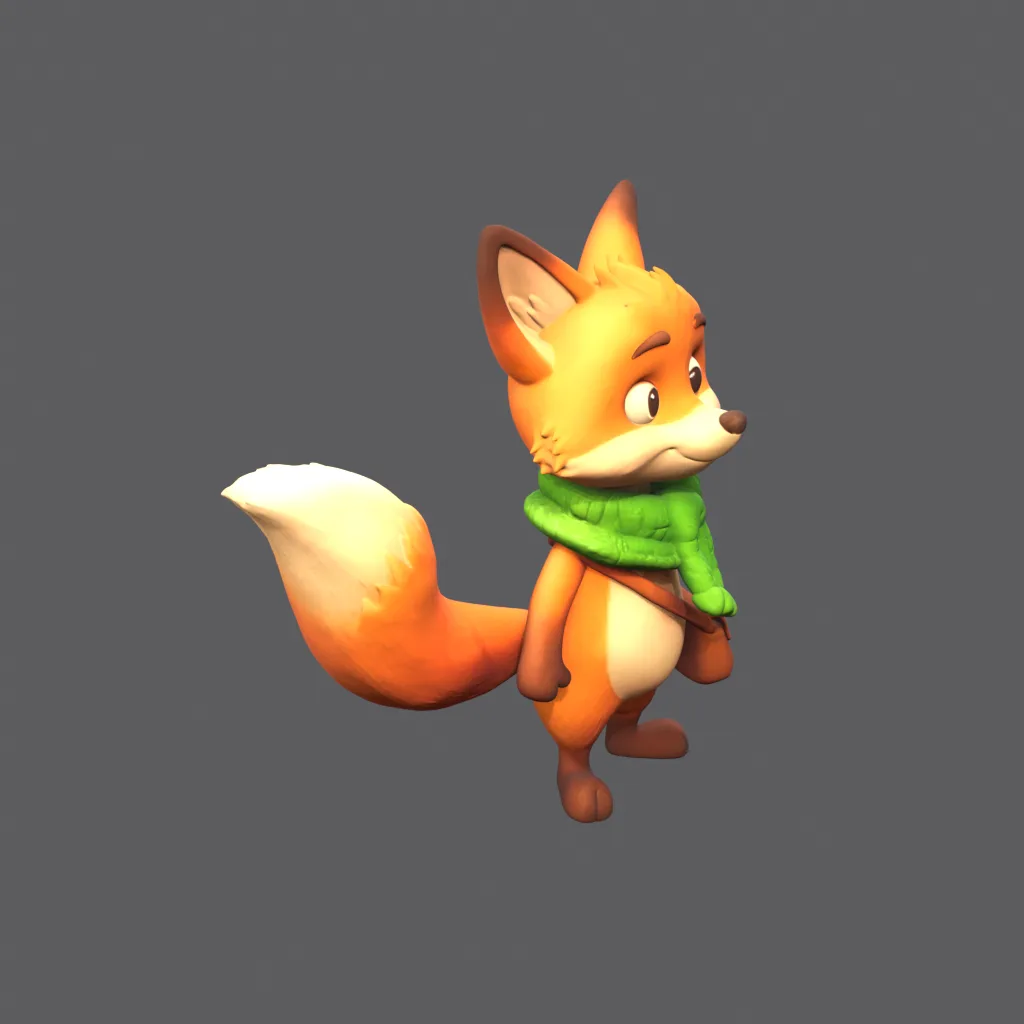
Tripo H3.1
$0.10 per text, no texture via Tripo API
Close-up rendering or a detailed printing starting point; reduce its dense default meshes for ordinary games.
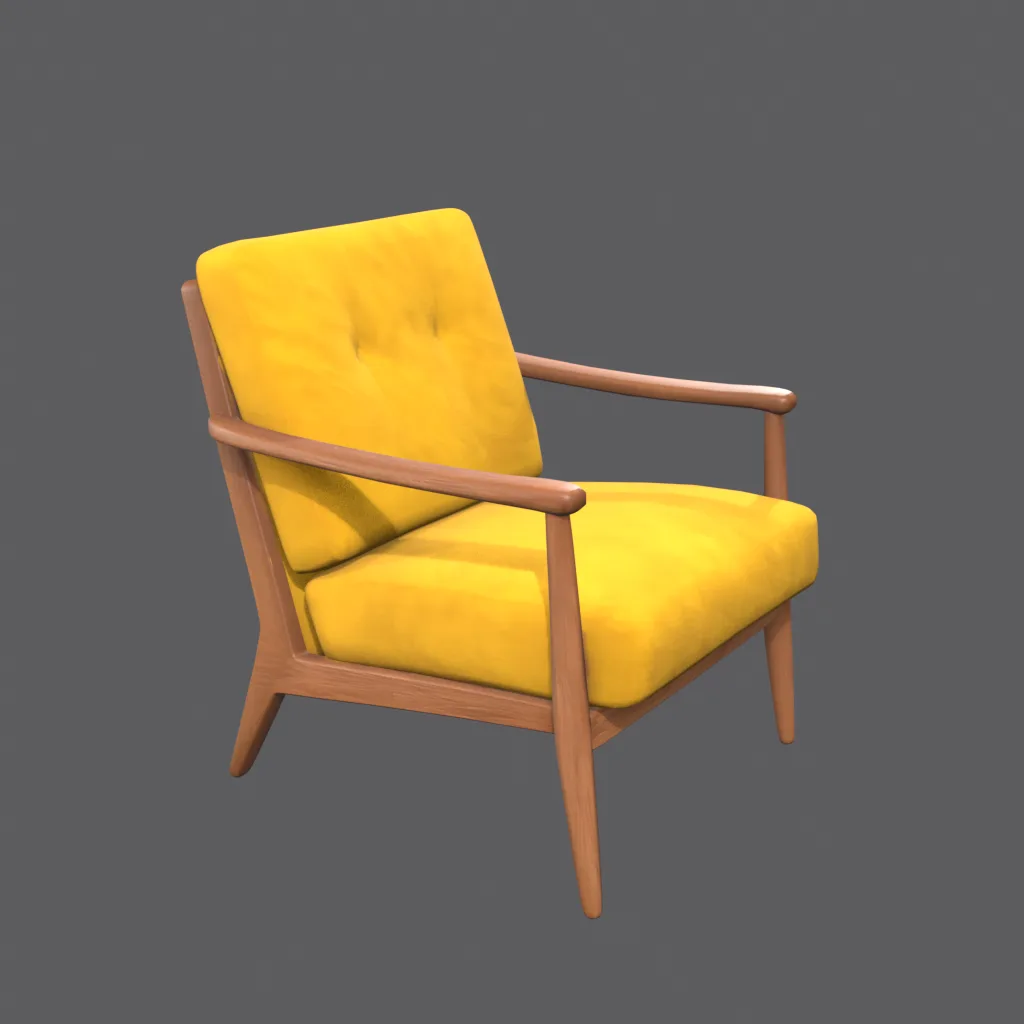
Tripo P2
$1.00 per no texture generation, text/image/multiview via Tripo API
A low-poly starting mesh for games and real-time scenes, or native quad generation for further editing.
Side by side, measured
| Model | Price | Seconds to build one model | Cost of its fixed set | Output |
|---|---|---|---|---|
| Tripo H3.1 | $0.10 per text, no texture via Tripo API | 99 to 259 | $1.00 5 tests | At default settings, triangular GLBs with 1 |
| Tripo P2 | $1.00 per no texture generation, text/image/multiview via Tripo API | 70 to 140 | $5.50 5 tests | At default settings, triangular GLBs with 4,445 to 5,474 triangles across our five objects, each with three 2048-square texture images and PBR materials, with colour plus material maps rather than colour alone |
Seconds and cost are from our own runs of each model's fixed set: the same 5 tests for every model that makes models from a prompt. Open a model for every model and the request behind it.
Every version
| Version | Released | What changed |
|---|---|---|
| Tripo 1.4 v1.4-20240625 | Date not verified | Legacy text/image-to-3D version for compatibility with older systems. |
| Tripo H2.0 v2.0-20240919 | Date not verified | Earlier H2 geometry model with the shared 2.x controls. |
| Tripo Turbo 1.0 Turbo-v1.0-20250506 | Date not verified | Earlier speed-oriented text/image-to-3D variant. |
| Tripo H2.5 v2.5-20250123 | Date not verified | Legacy H-series model, retained for historical project compatibility in the maker’s version guide. |
| Tripo H3.0 v3.0-20250812 | Date not verified | Previous stable H-series geometry model; retained for compatibility. |
| Tripo H3.1 v3.1-20260211 | Date not verified | Current high-detail H model; adaptive geometry up to 1.5 million standard faces or 2 million with detailed geometry. Announcement updated October 27, 2026; exact release day unverified. |
| Tripo P1 P1-20260311 | Date not verified | Earlier low-poly P model with 50 to 20,000 faces and no native quad switch; still documented. |
| Tripo P2 P2-20260801 | Date not verified | Adds native quads and a larger budget: up to 50,000 triangles or 25,000 quads. Tripo’s August update describes the preview and its September update the official launch; exact release day unverified. Sources: https://www.tripo3d.ai/blog/tripo-august-update and https://www.tripo3d.ai/blog/tripo-september-update. |
Frequently asked questions
What is the difference between Tripo H and P series?
H prioritizes dense surface geometry; P targets lower polygon counts and editable topology. Both can generate PBR-textured meshes from text and images. In our three runs each, H3.1 had 1.41 to 1.47 million triangles and P2 had 4,838 to 5,474.
Is Tripo P2 always better than H3.1?
They solve different mesh-budget problems. Our P2 dripper was smoother but had shallower ribs; H3.1 kept more surface geometry with uneven bumps. P2’s native quad option was not exercised by our triangular GLB runs.
Are these Tripo showcase models?
The benchmark consists of our own recorded single attempts, with the exact requests, mesh statistics and textured and clay renders. Vendor examples are separately labelled.
Why are there no precise release dates?
API snapshot names contain dates, while blog announcements show later update dates. The P2 preview appears in the August update and the official launch in September. We have verified those identities and month-level milestones, but not exact public launch days.