Muse Image vs Nano Banana 2.1
Muse Image is Meta's first image model, launched in July 2026; Nano Banana 2.1 is Google's October update to its fast Gemini image model. Both are assistant-built models that reason about the prompt, and both ran the same twelve prompts through fal: Nano Banana 2.1 on 8 October at 1K, Muse Image on 22 October at its fixed size of about 2.5 megapixels.

Anvisha Pai, Co-founder & CEO, Voyager
Which to use
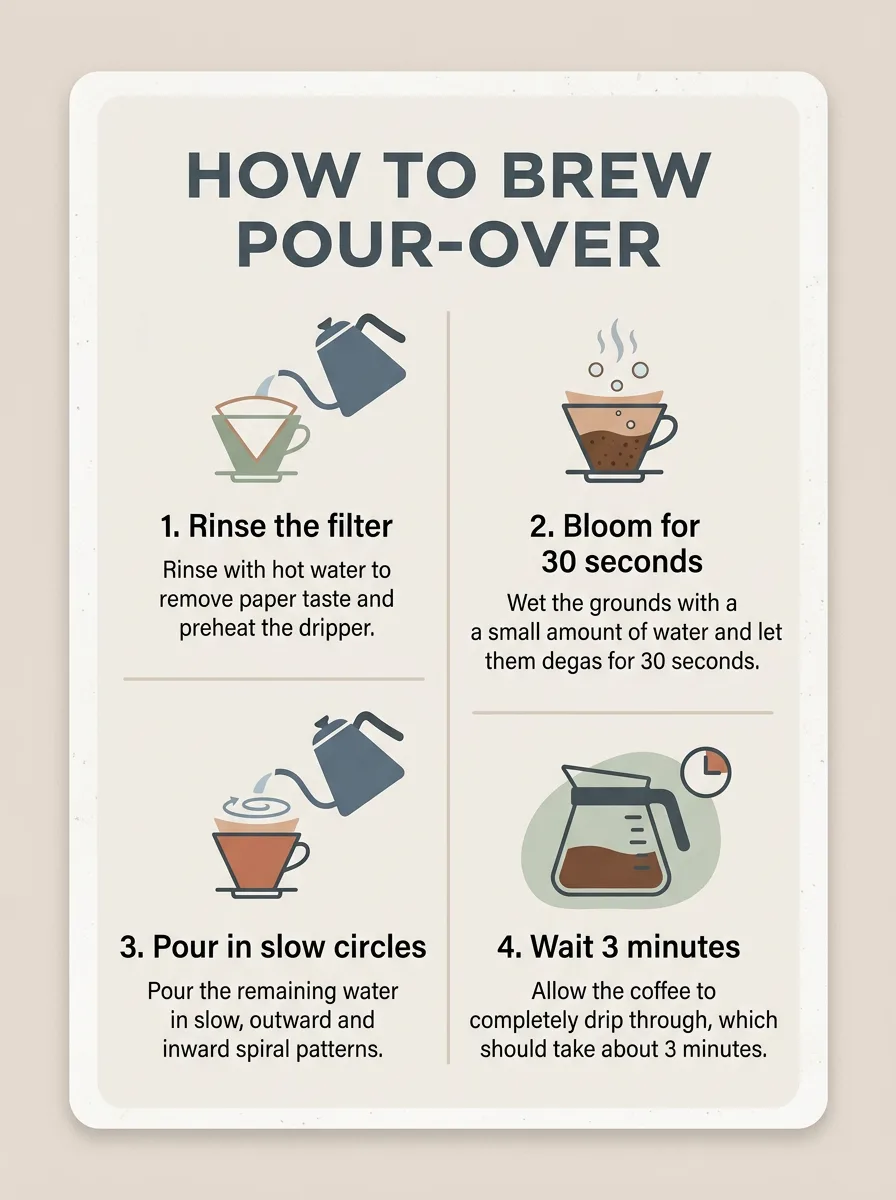
Muse Image, on price and on most of these prompts. It drew the better logo, a chain around a spoked wheel with no tagline where Nano Banana 2.1 added 'BICYCLE REPAIR', placed all five objects in the composition test, and made a clean edit, at $0.01 an image against about $0.04, read on 22 October and 8 October 2026, and at more than twice the pixels. Nano Banana 2.1 wins where numbers and objects must be right: its chart bars match their labels where Muse's run high, and its dripper is a real dripper where Muse's balances on its spout. It was also a little faster, 9 to 20 seconds against Muse's 8.5 to 27. Both add instructions under every infographic step. One run per prompt is a fair first look, not a ranking.
Side by side, measured
| Muse Image | Nano Banana 2.1 | |
|---|---|---|
| Vendor | Meta | Google DeepMind |
| Released | 2026-07-07 | 2026-10-06 |
| Price | $0.01 per image via fal | $0.0336 per 1k image via Gemini API |
| Seconds per image | 9 to 27 | 9 to 20 |
| 12 pictures cost | $0.12 | $0.484 |
| Sizes | Any ratio from 1:16 to 16:1, rendered at Muse's own size of about 2 | 1K, 2K and 4K in fourteen fixed shapes, including 8:1 and 1:8 strips |
Seconds and cost are from our own runs of the same 12 prompts through each model.
The same 12 prompts, Muse Image against Nano Banana 2.1
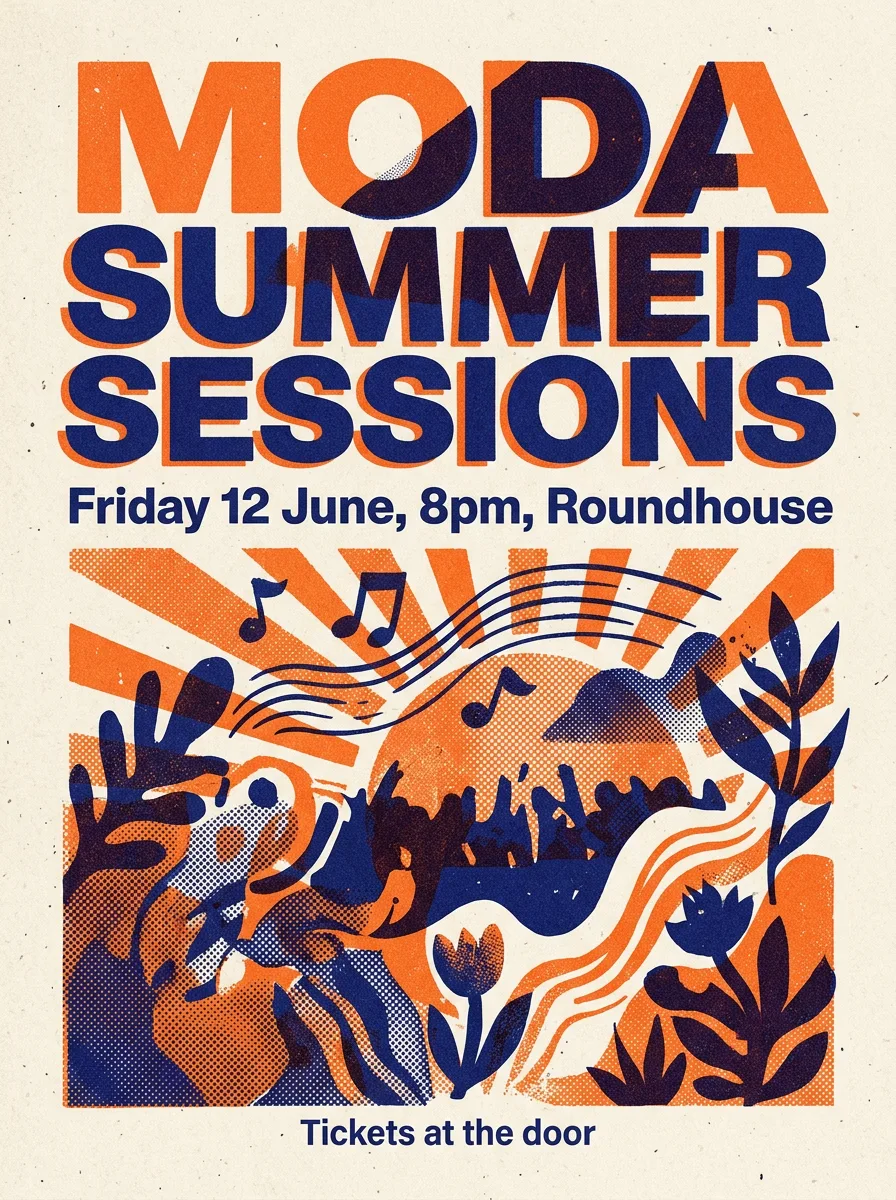
One try each, nothing re-rolled or retouched, generated by us. Muse Image is on the left, Nano Banana 2.1 on the right. Every prompt has its own page with the whole roster.
Text in an image
Every model on this prompt →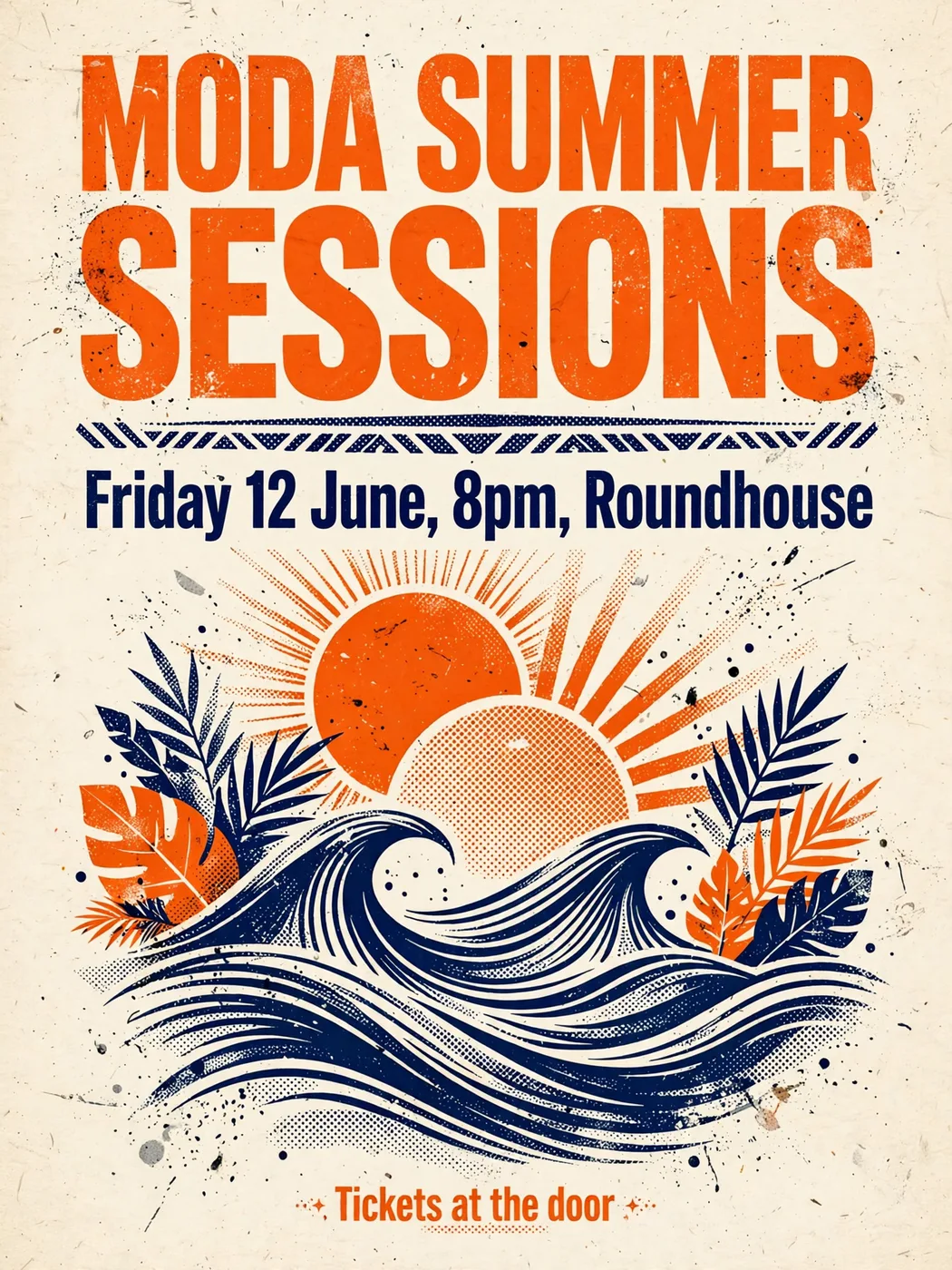
›What we asked for
A concert poster that reads 'MODA SUMMER SESSIONS' in large bold type, with the subtitle 'Friday 12 June, 8pm, Roundhouse' and a smaller line 'Tickets at the door'. Risograph style, two colours, tangerine and navy, grainy ink texture.
Product on white
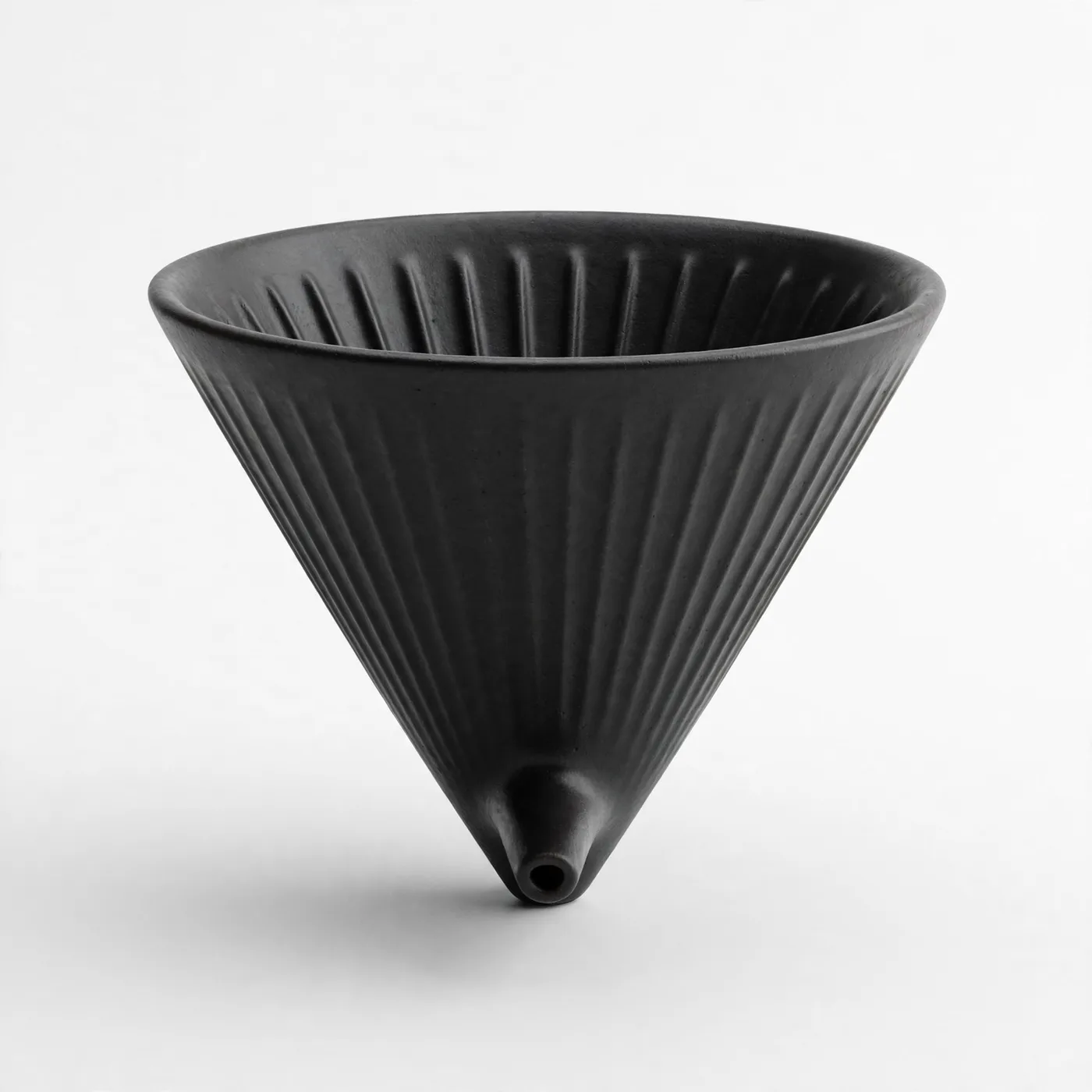
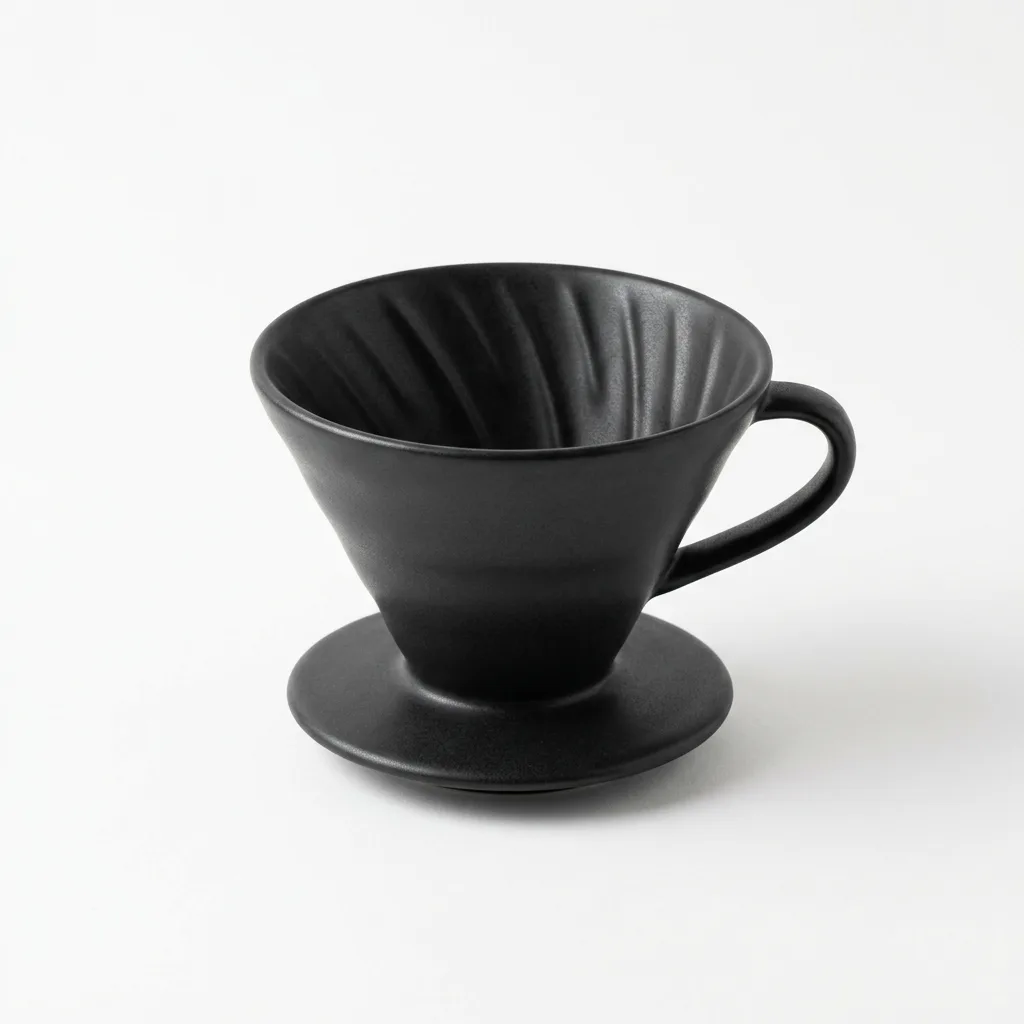
Every model on this prompt →Nano Banana 2.1 drew a dripper with a handle on a base. Muse drew a fluted cone balanced on its spout.
›What we asked for
Studio product photograph of a matte black ceramic pour-over coffee dripper on a seamless white background, soft top light, subtle contact shadow, centred, catalogue style.
Face and hands
Every model on this prompt →

›What we asked for
Close-up portrait of a woman in her 40s with short grey hair, laughing, holding a red ceramic mug with both hands, natural window light, 85mm lens, shallow depth of field.
Logo mark
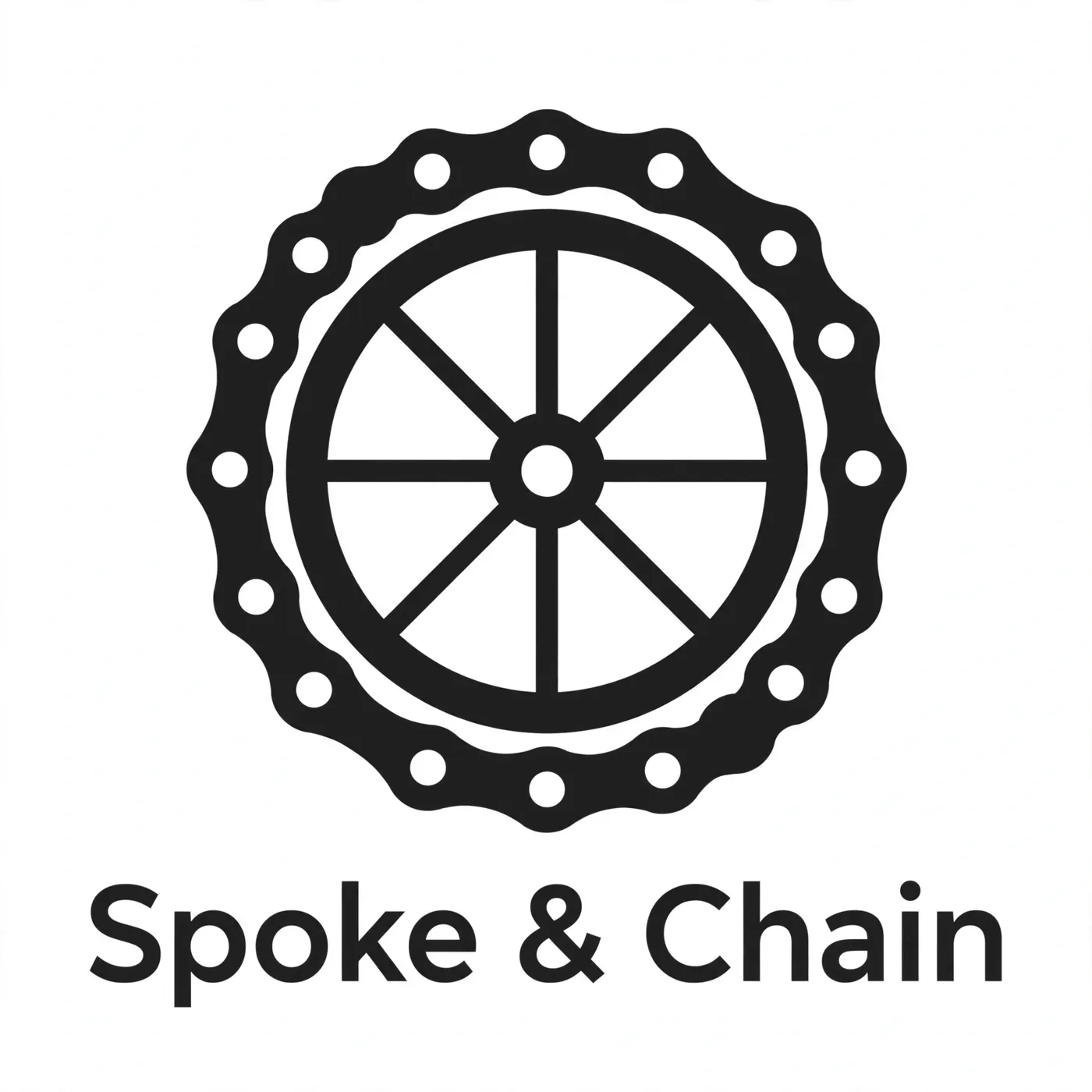
Every model on this prompt →Both combined a chain and a spoked wheel. Muse added nothing; Nano Banana 2.1 added a 'BICYCLE REPAIR' tagline.

›What we asked for
A flat vector logo mark for a bicycle repair shop called 'Spoke & Chain': a single-colour icon combining a chain link and a wheel spoke, with the wordmark below in a geometric sans-serif, black on white.
Busy scene
Every model on this prompt →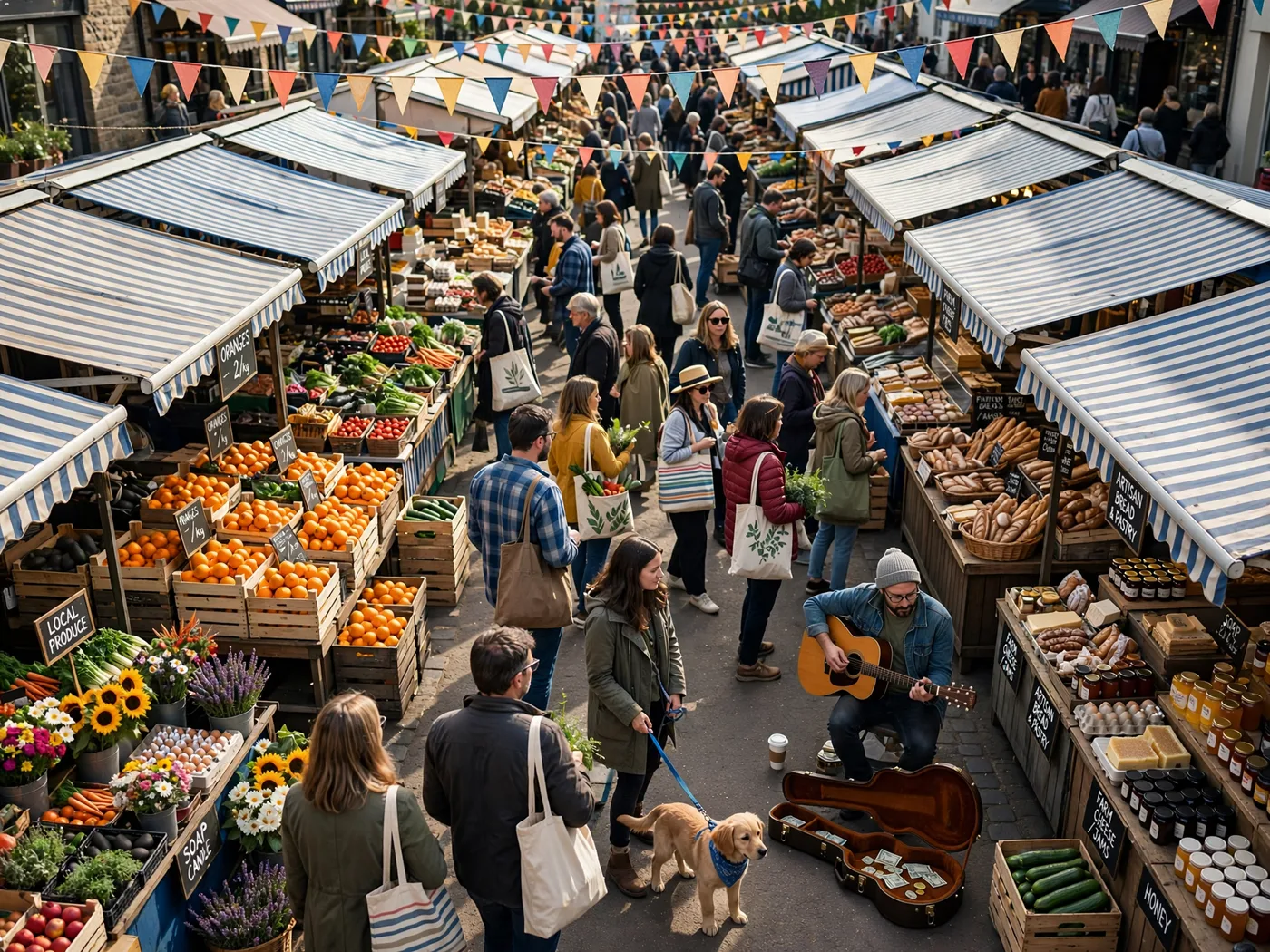
›What we asked for
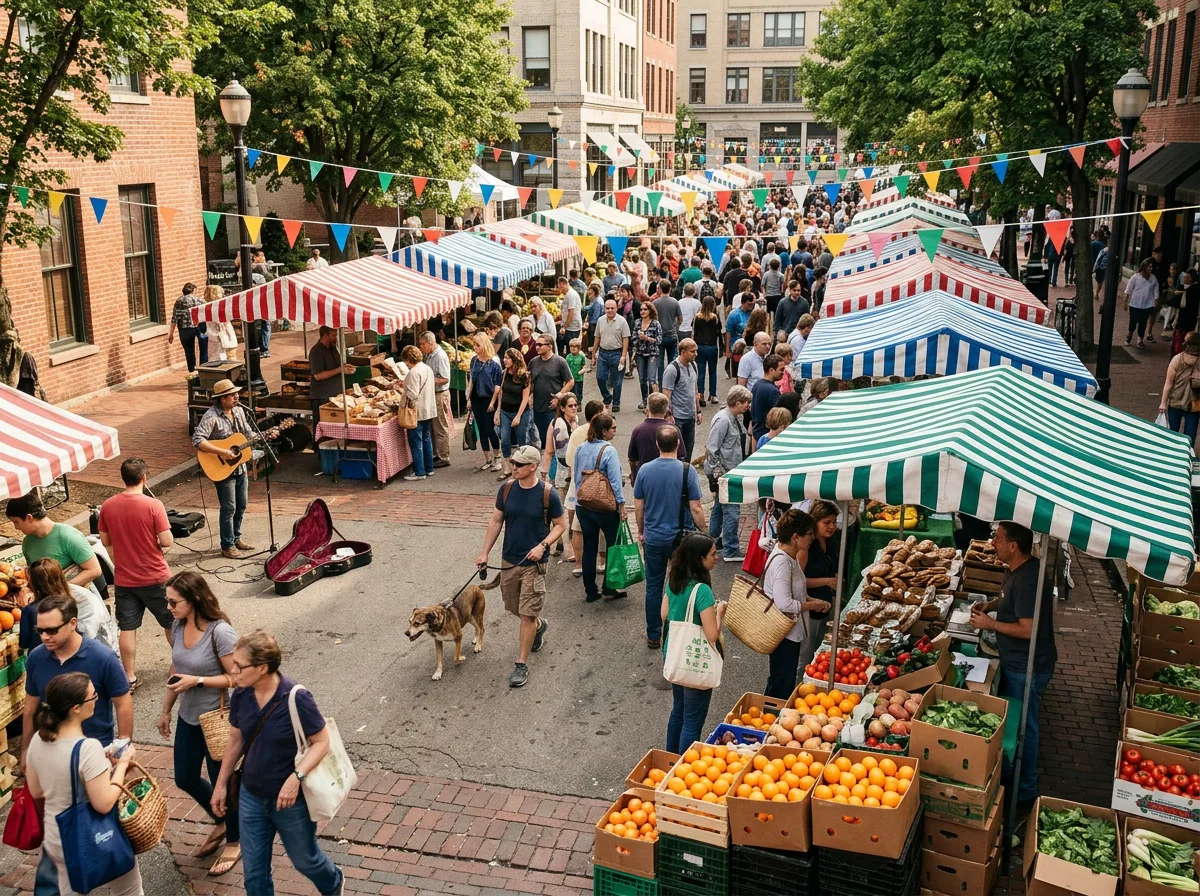
A crowded Saturday farmers market seen from slightly above: at least twelve stalls with striped awnings, shoppers carrying tote bags, a dog on a leash, crates of oranges, a musician with a guitar, bunting overhead, late morning light.
Specific art style
Every model on this prompt →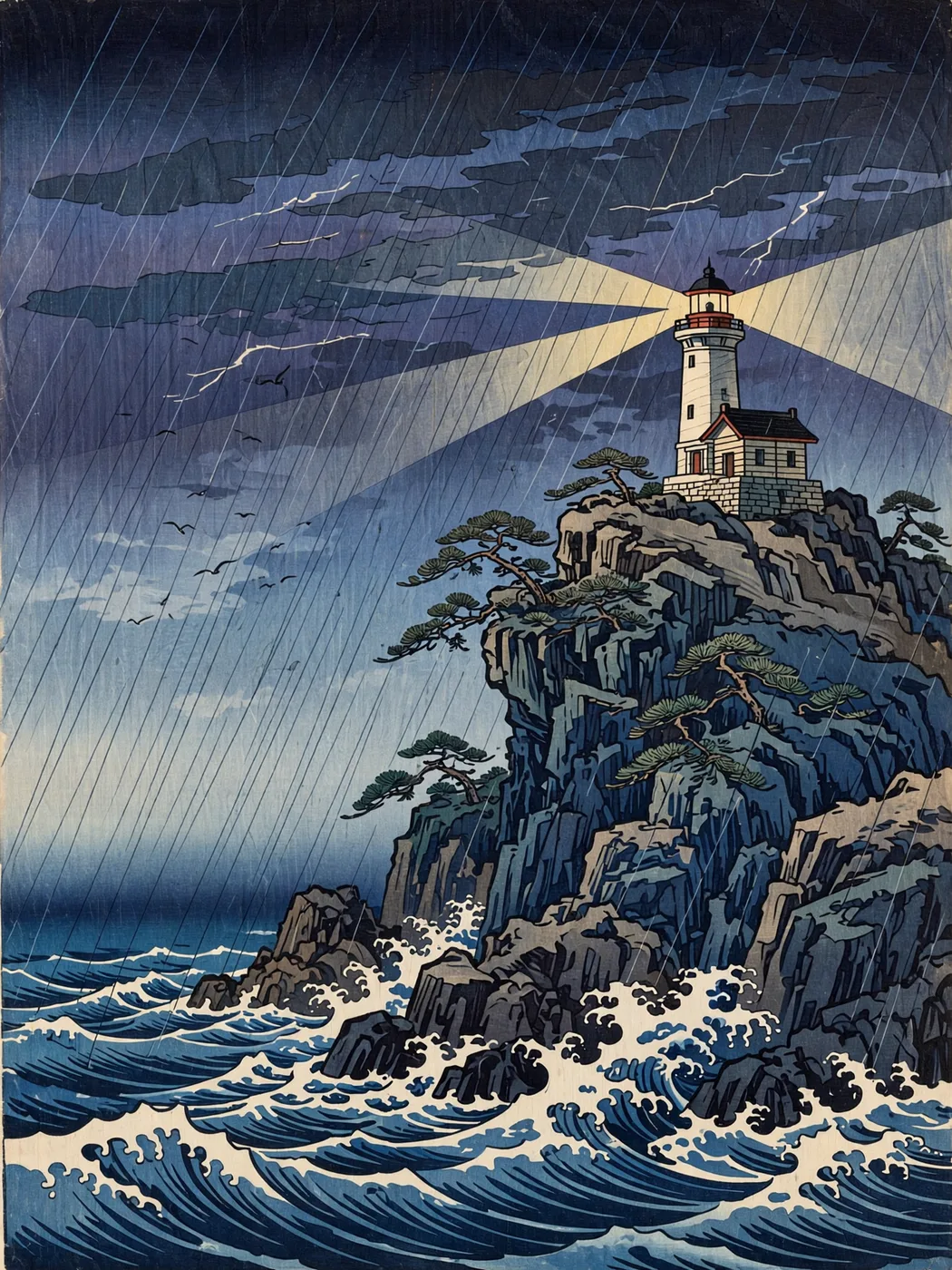
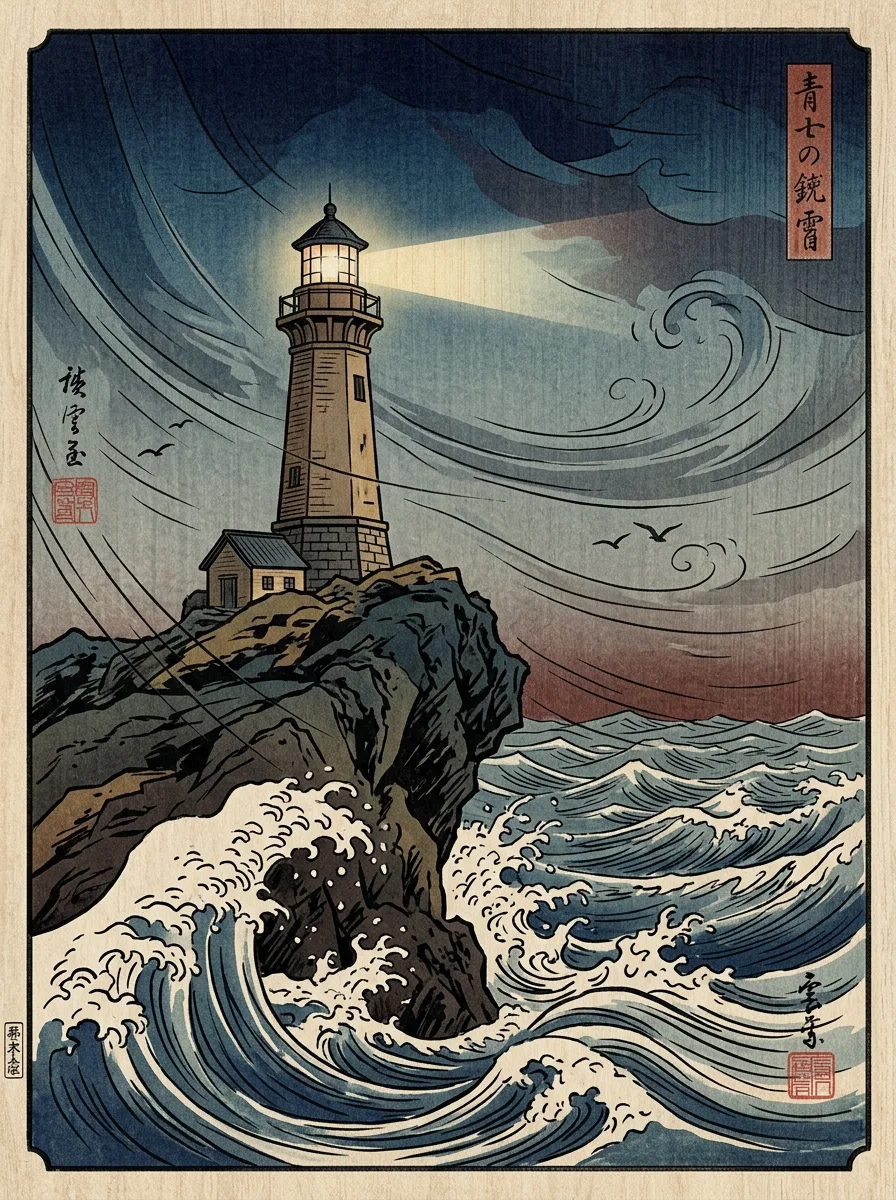
›What we asked for
A lighthouse on a rocky cliff during a storm, in the style of a Japanese ukiyo-e woodblock print, with visible wood grain texture, flat colour areas and a bokashi gradient sky.
Both printed every value correctly. Nano Banana 2.1's bars match them; Muse's run high, February's 150 near 178.
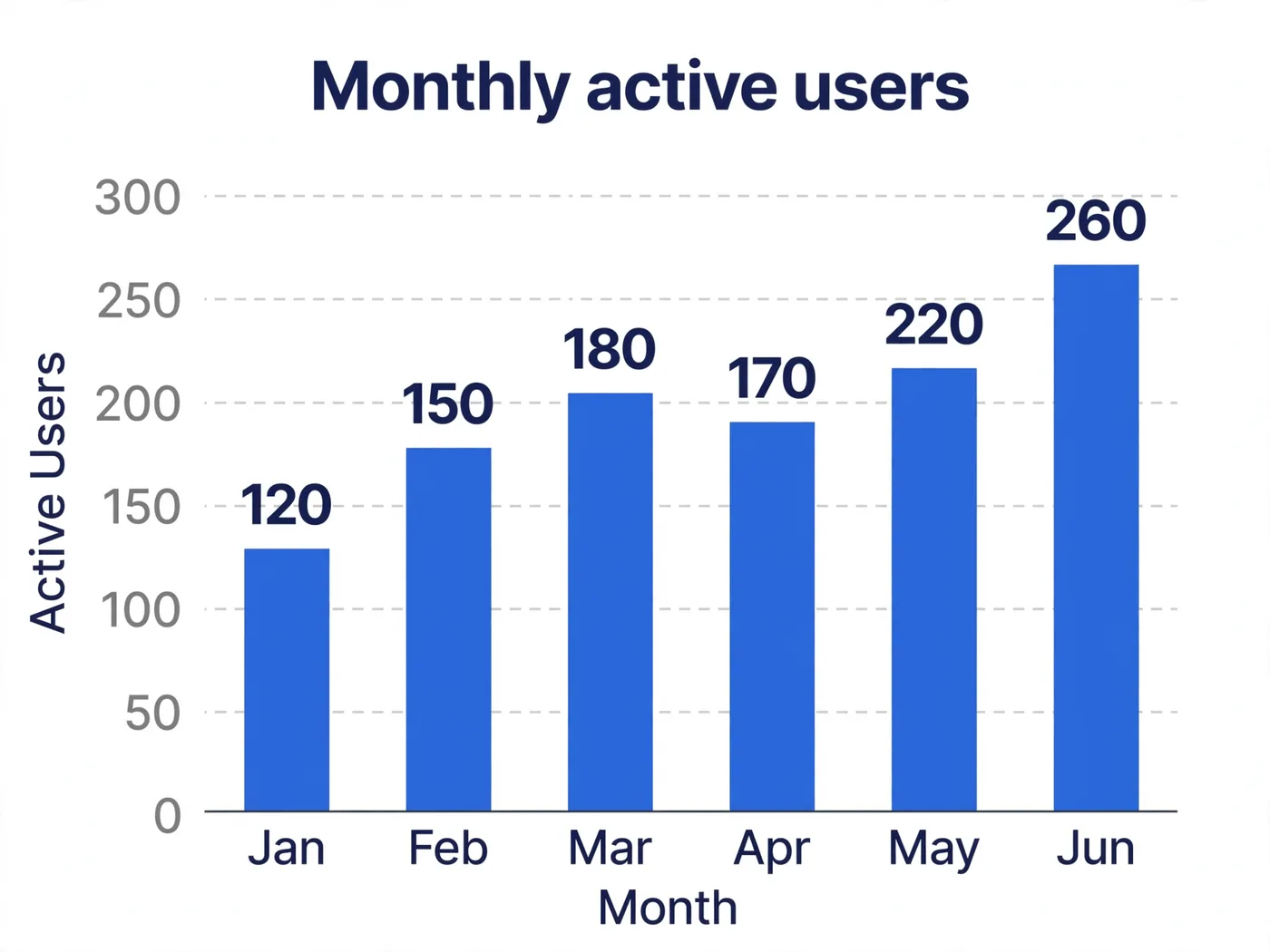
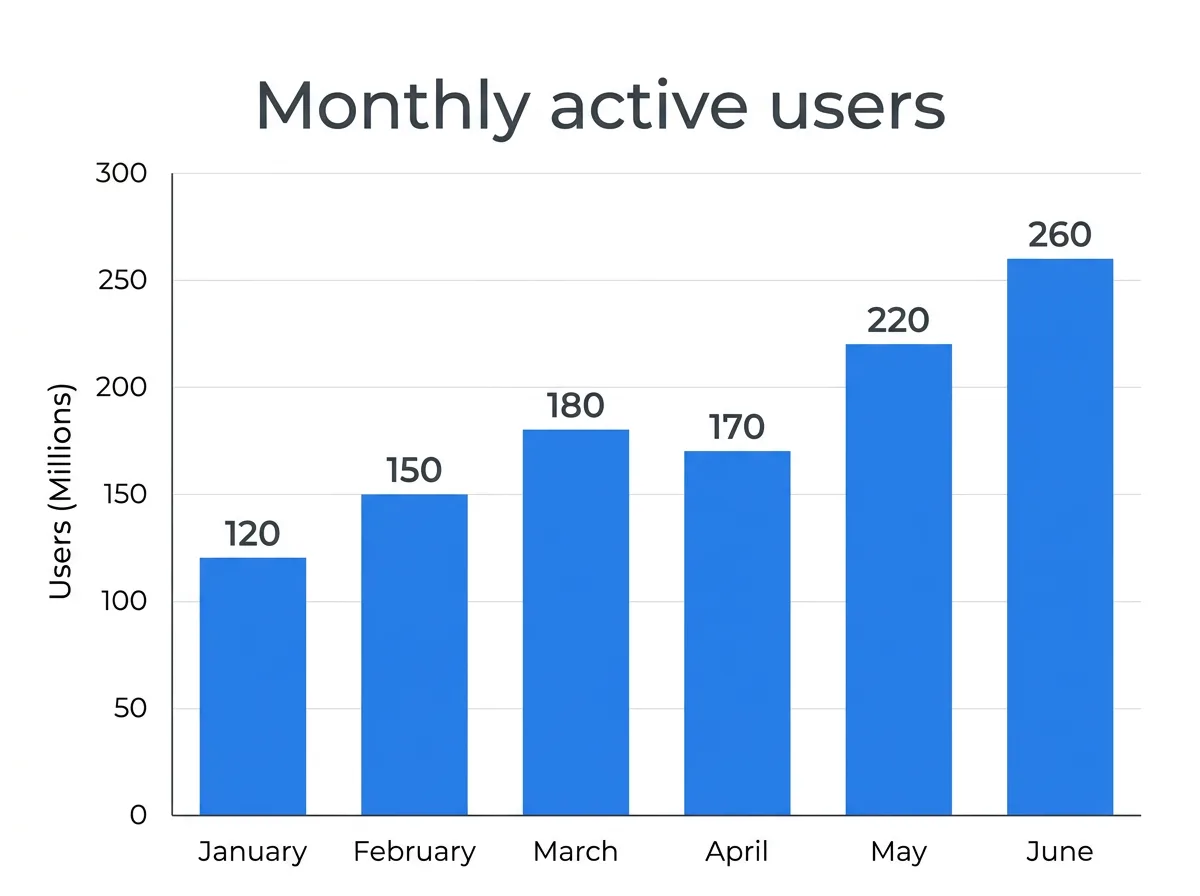
›What we asked for
A clean bar chart titled 'Monthly active users' showing six months, January through June, with the values 120, 150, 180, 170, 220 and 260, labelled axes, white background, one accent colour, no 3D effects.
Wide aspect ratio
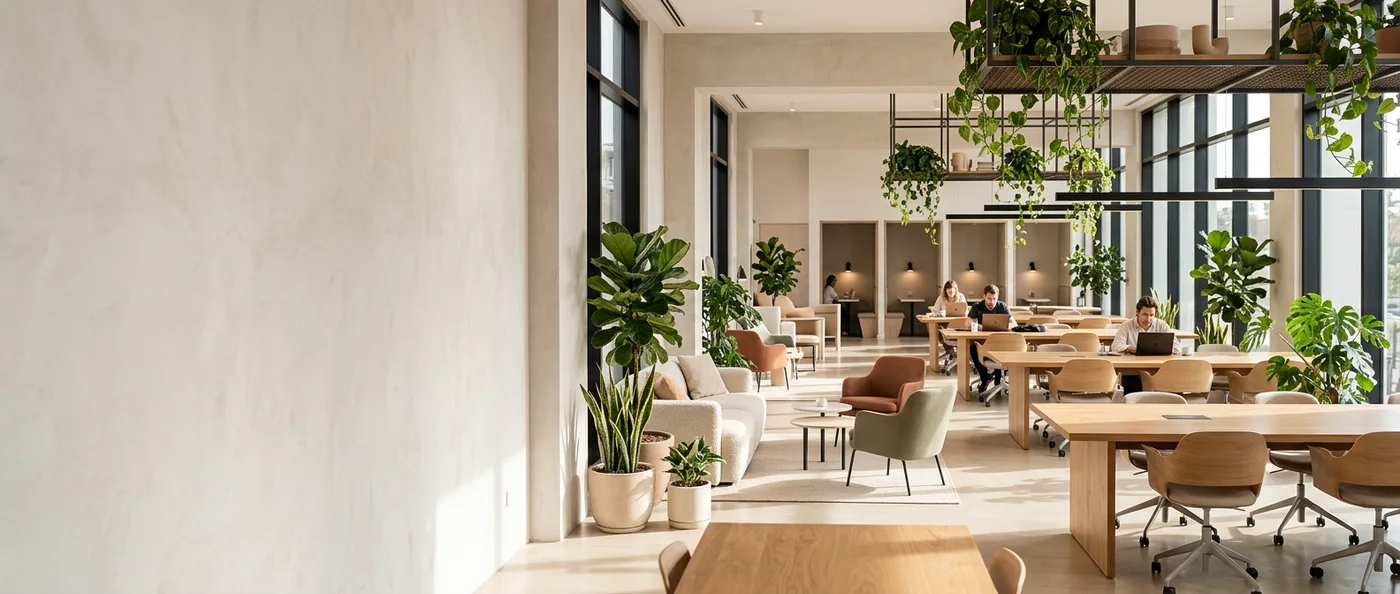
Every model on this prompt →Both left the left third as plain wall with no text.
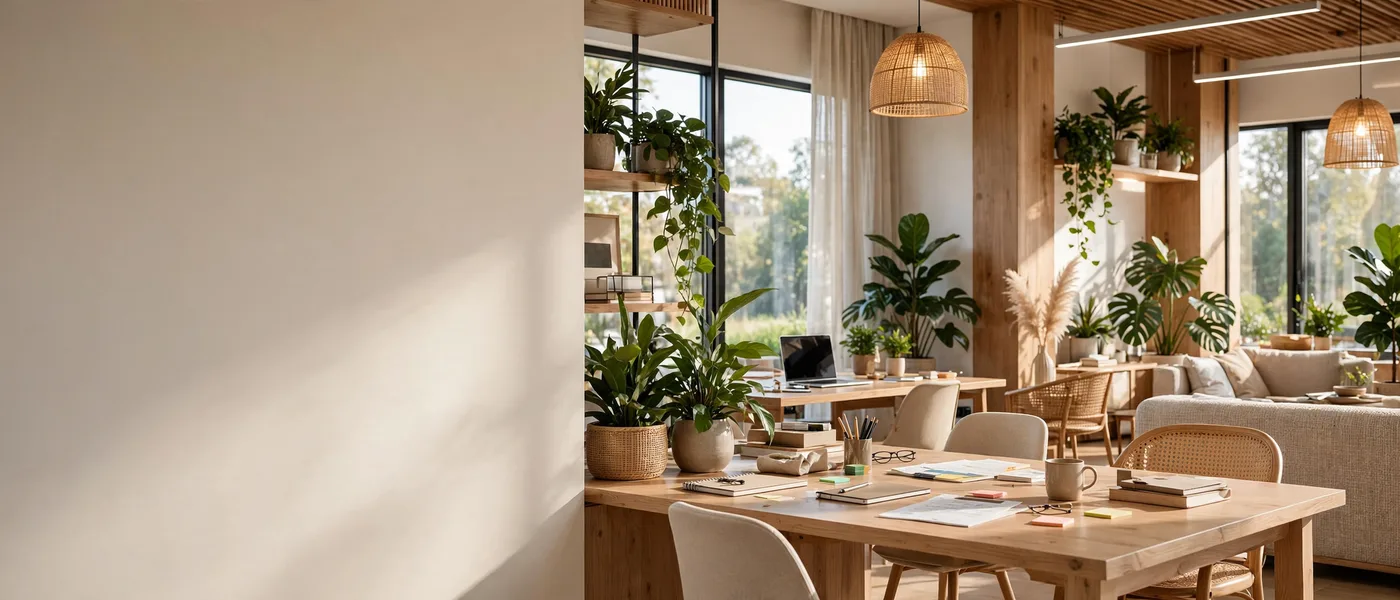
›What we asked for
Website hero banner: a wide panorama of a sunlit modern co-working space with plants, the left third of the frame kept as clear wall space for text, warm neutral palette.
Infographic with steps
Every model on this prompt →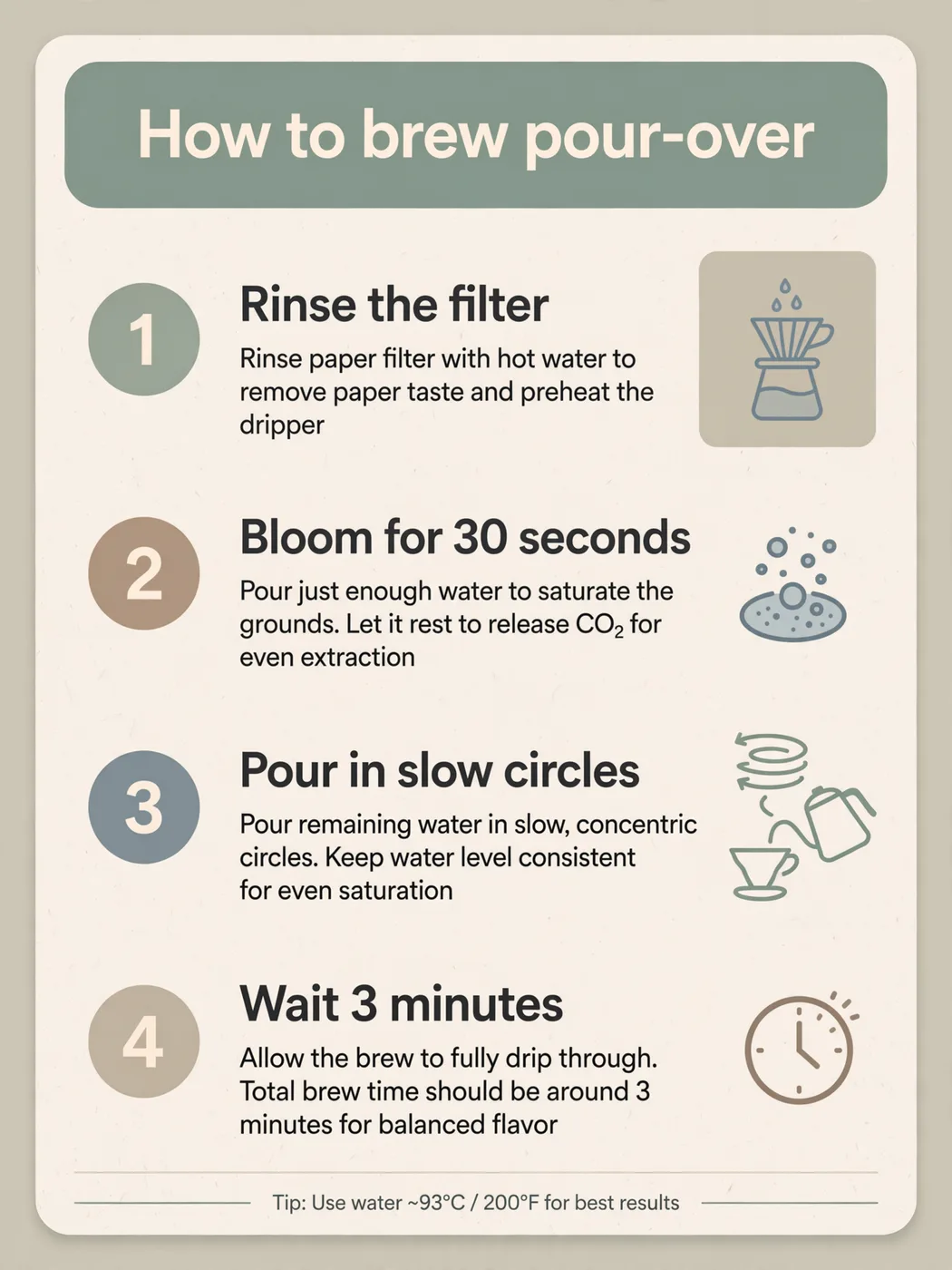
›What we asked for
An infographic card titled 'How to brew pour-over' with four numbered steps in this order: 1. Rinse the filter, 2. Bloom for 30 seconds, 3. Pour in slow circles, 4. Wait 3 minutes. A simple icon beside each step, muted palette, clean sans-serif type.
Food photography
Every model on this prompt →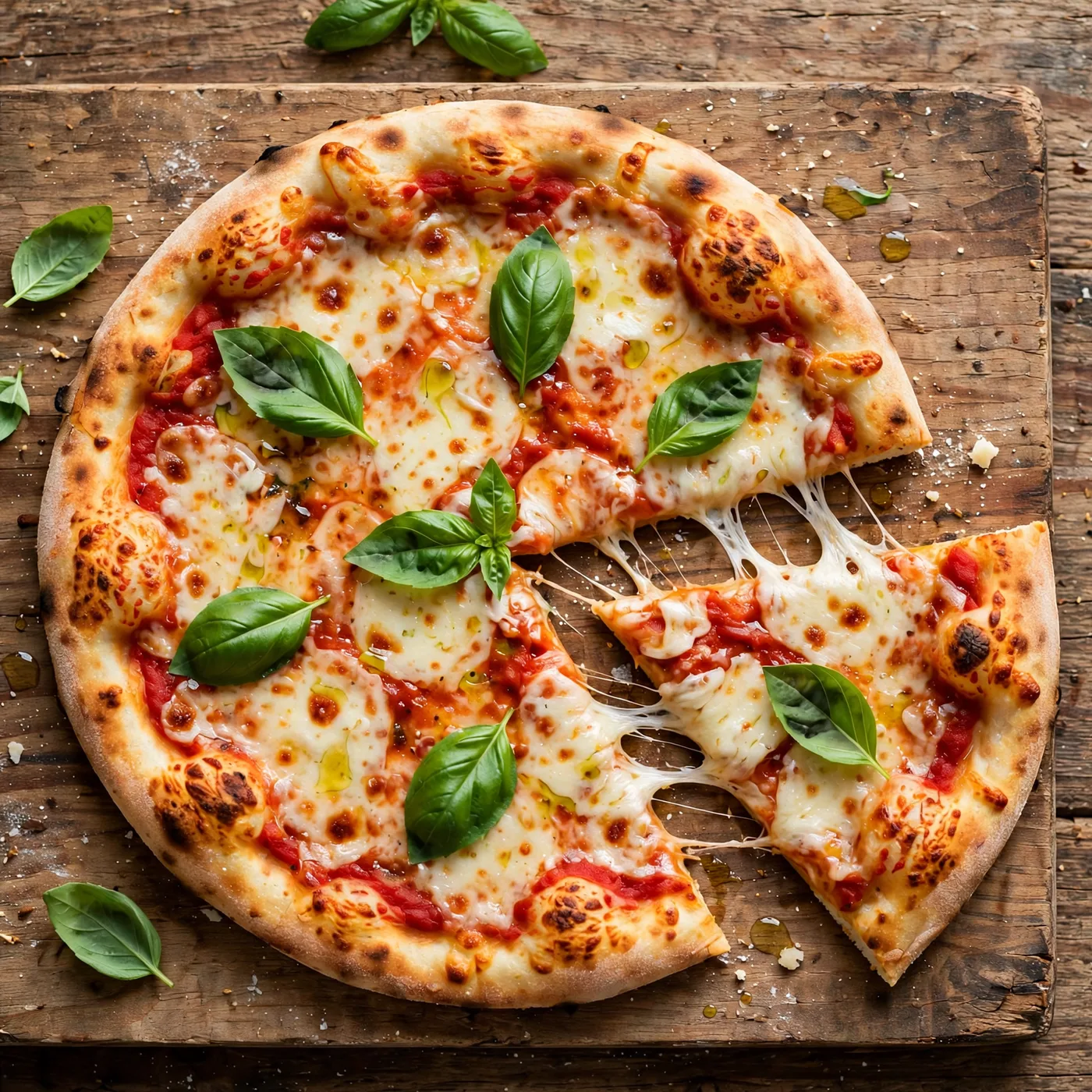
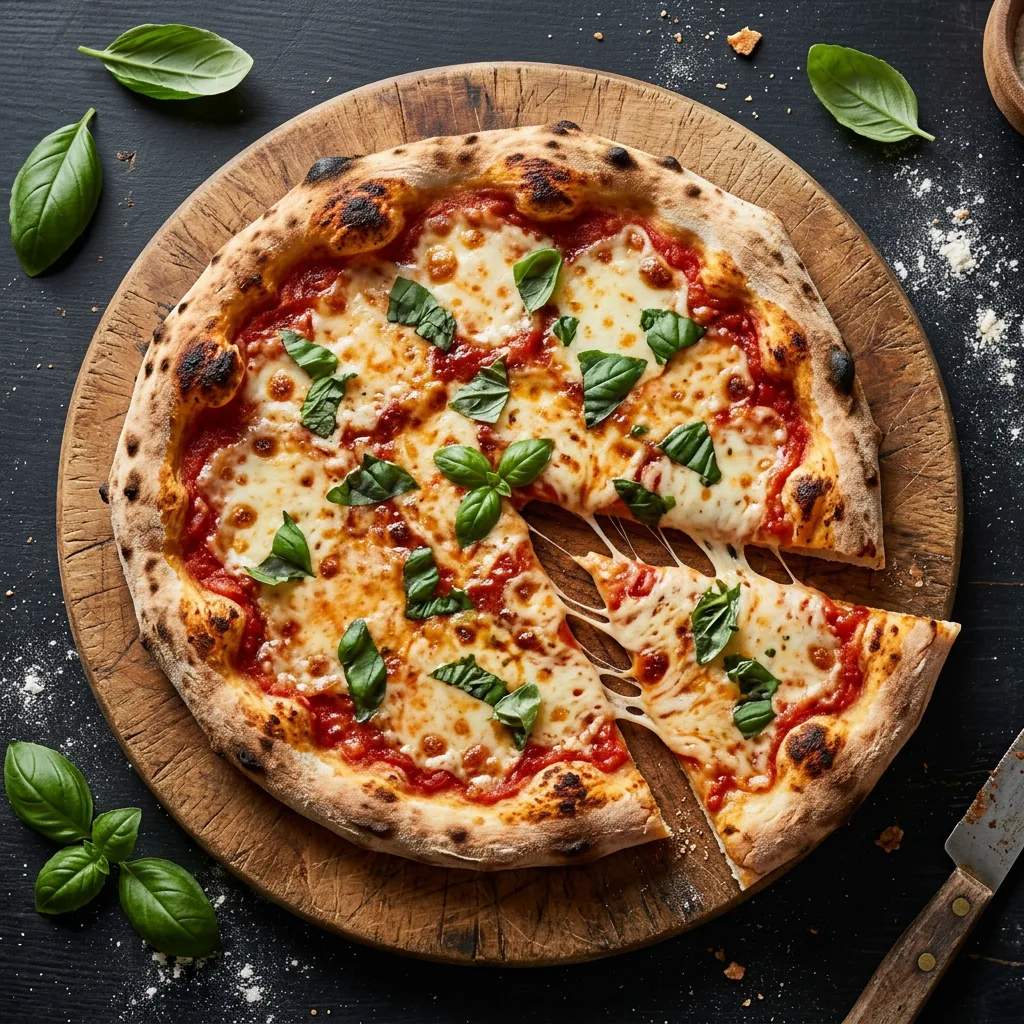
›What we asked for
Overhead photograph of a margherita pizza on a wooden board, fresh basil leaves, one slice pulled out with the cheese stretching, restaurant menu photography, natural light.
Hard composition
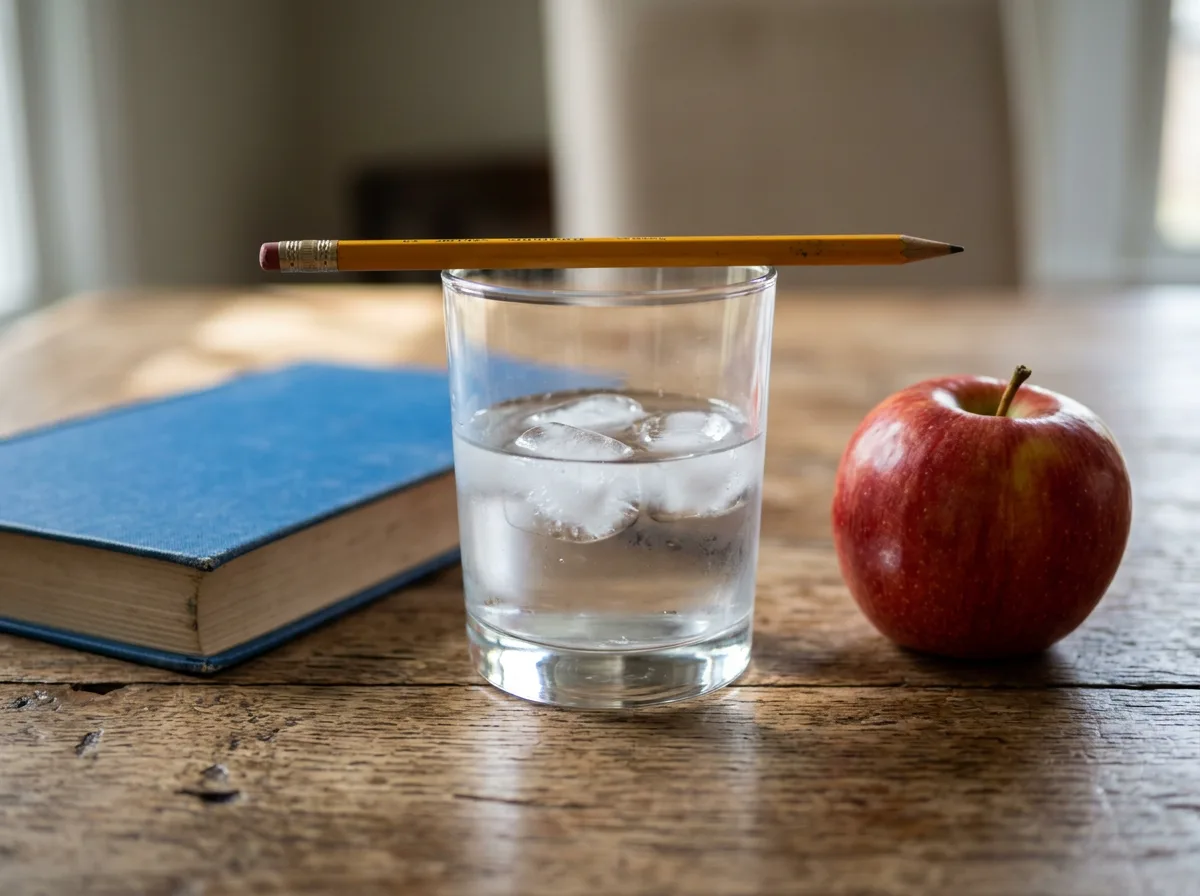
Every model on this prompt →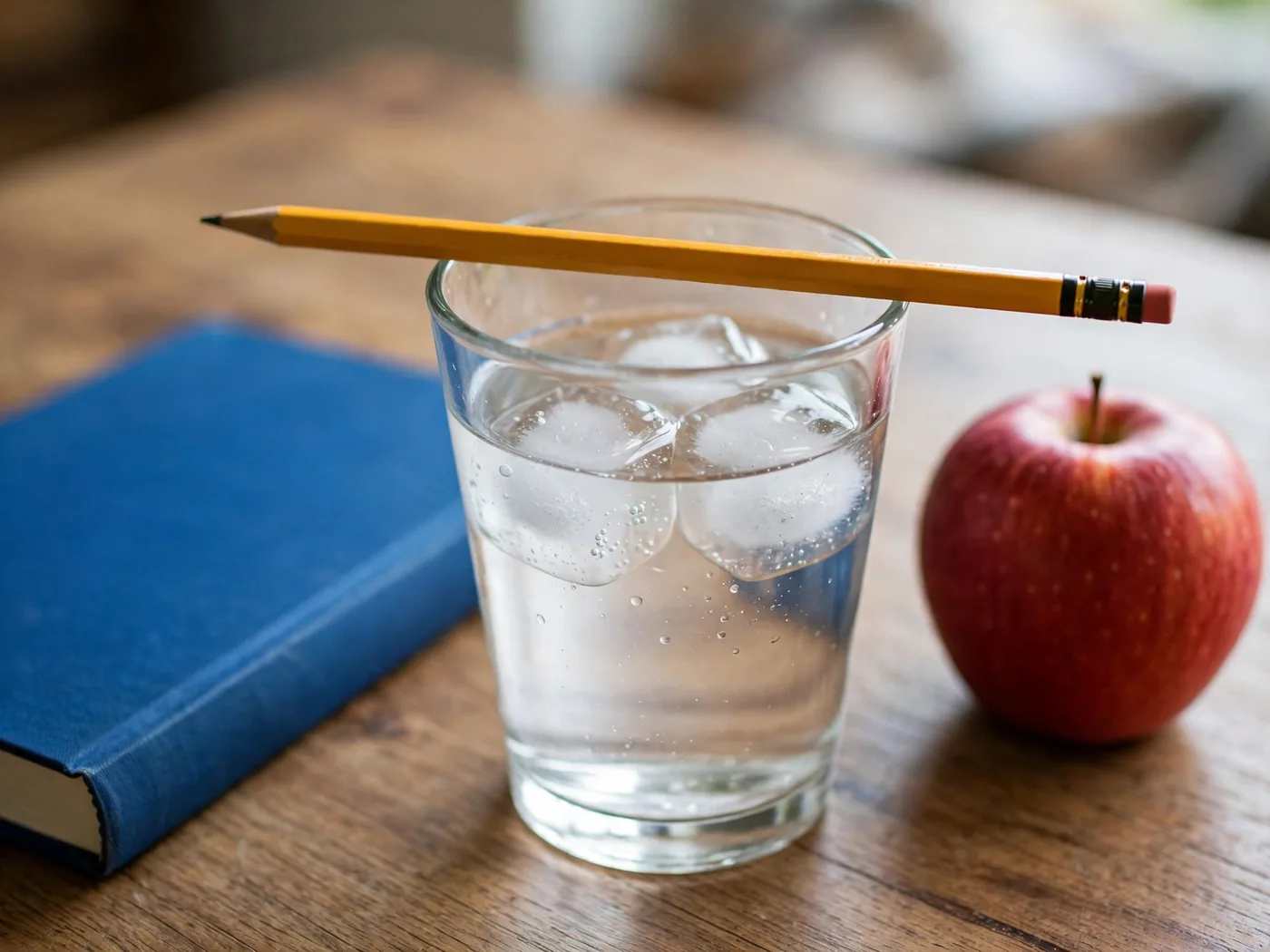
›What we asked for
A glass of water on a wooden table with exactly three ice cubes in it, a yellow pencil resting across the rim of the glass, a blue book to the left of the glass and a red apple to the right, photographed from table height.
Edit an existing image
Every model on this prompt →Both made the dripper green with a brass handle and left the background alone.
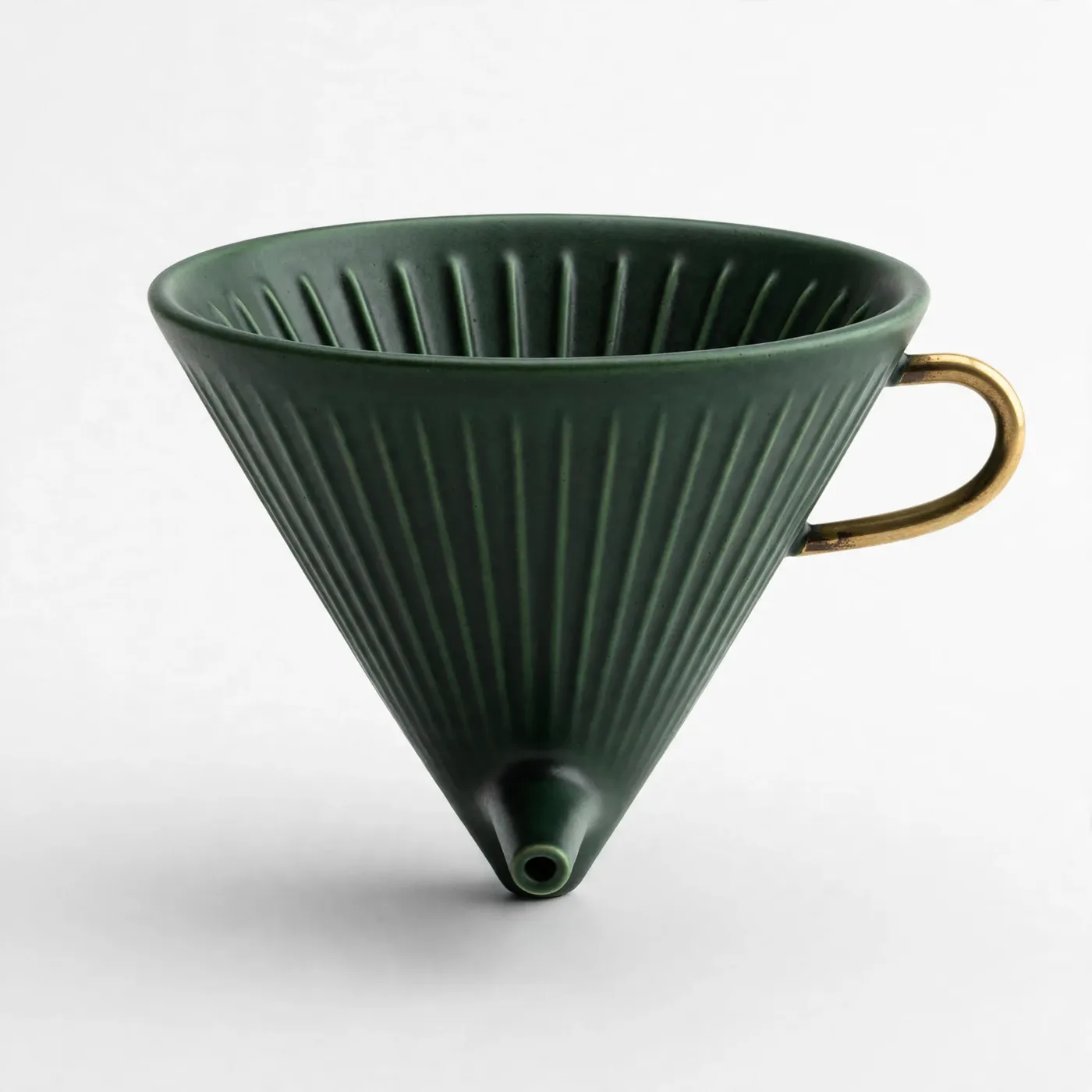
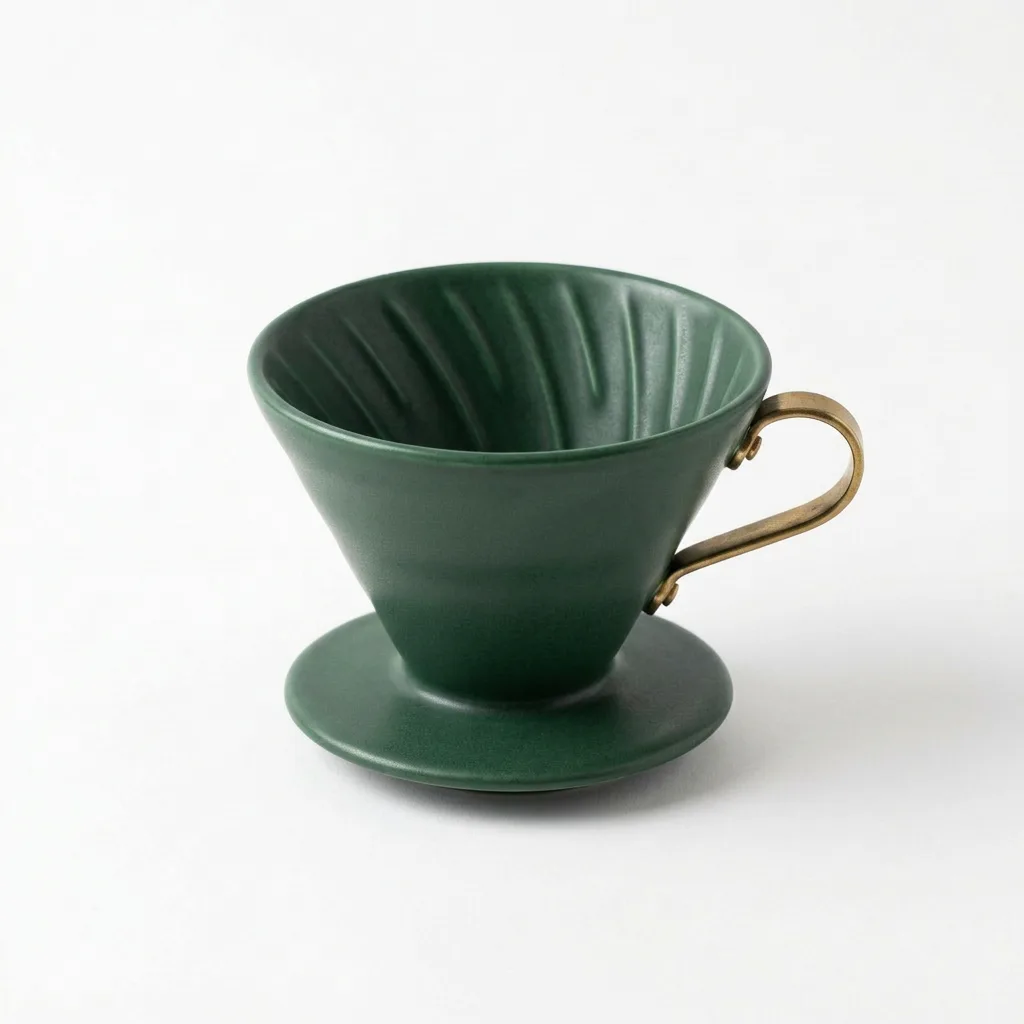
›What we asked for
Change the coffee dripper to a deep forest green and add a small brass handle on its right side. Keep the background, lighting and composition exactly as they are.
Frequently asked questions
Is Muse Image better than Nano Banana 2.1?
On our twelve prompts it was better on the logo and at least as good on the poster, composition and edit, and a quarter of the price. Nano Banana 2.1 was better on the chart and the product shot.
Which is cheaper?
Muse Image, at $0.01 an image through fal, against about $0.04 for a 1K Nano Banana 2.1 image, which fal bills by tokens.
Were both run the same way?
Same prompts, one attempt each, through fal. Nano Banana 2.1 ran at 1K with medium thinking; Muse Image has no size or quality setting and renders at about 2.5 megapixels.

Voyager
Run any of these inside Voyager
Voyager is an agent for creative work that runs every model on this page. Brief it, and it picks the model for the job, makes the thing and hands back something you can edit. Create an account to get started.